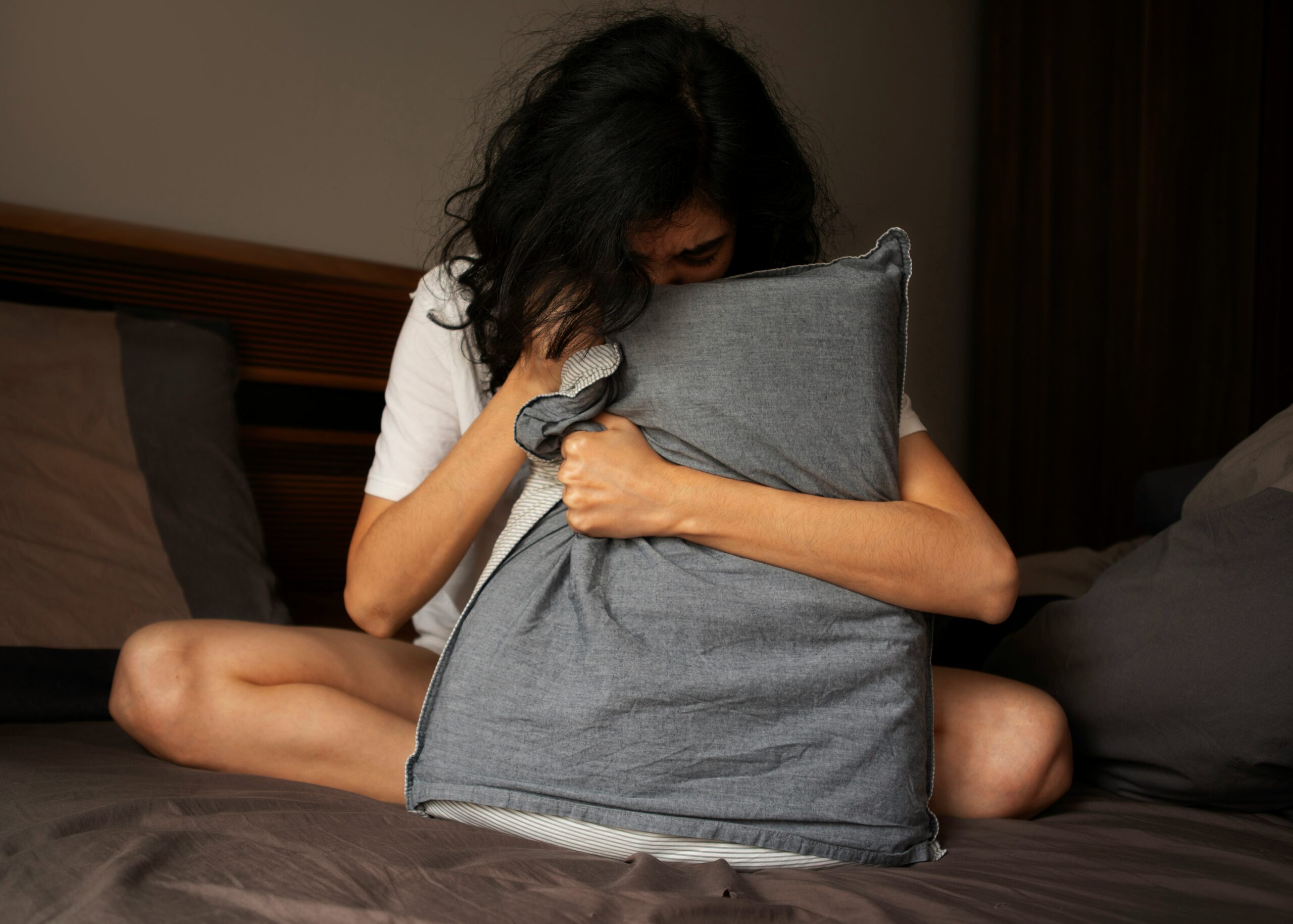
Almost 80% of autistic adults and children experience some degree of sleep difficulty, including problems falling asleep, insomnia, and even sleepwalking. Believed reasons for these sleep struggles vary greatly, and may include everything from higher levels of anxiety to differences in melatonin production.
Whatever the cause, a lack of sleep, which worsens existing autistic experiences like sensory overwhelm and executive functioning difficulties, is a problem, especially if the issue ruins countless nights of sleep. Luckily, there is now plenty of advice out there for helping autistic children to improve their sleep, but there remains a blind spot when it comes to perfecting sleep quality for autistic adults.
That’s where this article comes in. We’ve put together some sleep secrets for autistic individuals at any age. Simply keep on reading to find out what they are.
# 1 – Routine is Still Key
Reliance on routine is often a hallmark of autistic behavior, and sleep is no exception. Of course, sleep routines aren’t exactly a groundbreaking concept, but bedtime routines do offer some specific sleep-based benefits for autistic individuals.
As well as helping to prepare your brain for bed and generally regulating your body clock, bedtime routines are prevalent for autistic individuals thanks to their calming reliability. Considering that autistic individuals spend a lot of their day in a heightened sense of awareness or anxiety, this level of routine-induced relaxation can significantly reduce everything from the amount of time it takes to get to bed (which is an average of 11 minutes longer in autistic individuals), to the amount of wakeups and other sleep disruptions experienced overnight.
# 2 – Stimulation is a Sticking Point
High levels of stimulation before bed are bad news for anyone, but they’re particularly problematic for autistic individuals who are more liable to experience sensory overload. Stimulating activities, including using a phone, watching television, or playing video games, are particularly linked to high sensory levels that make sleep difficult for autistic individuals.
Even seemingly small forms of stimulation can have an impact. As such, autistic individuals could sleep a lot better by eliminating all possible sensory inputs at this time. Instead, spending time in a calm, quiet room for at least 15 minutes before bed may be worthwhile.
# 3 – Tools to Help
Considering that experts don’t really know a definitive reason for the sleep struggles so widely experienced by autistic individuals, addressing the problem can be difficult. Certain well-selected tools can help with that, and may be worth adding to a sleep kit if problems persist despite routines and sensory limitations.
For instance, fidget toys can be a great bedtime tool for reducing distraction and calming the mind. Meanwhile, sleep tools like eye masks can also reduce outside distractions that may interrupt peaceful sleep. There’s also emerging evidence that supplements such as cbd gummies can help to stimulate more peaceful nights of sleep for some autistic individuals.
Trialing different tools like these and settling on which works best for you could be the secret to peaceful sleep at long last.