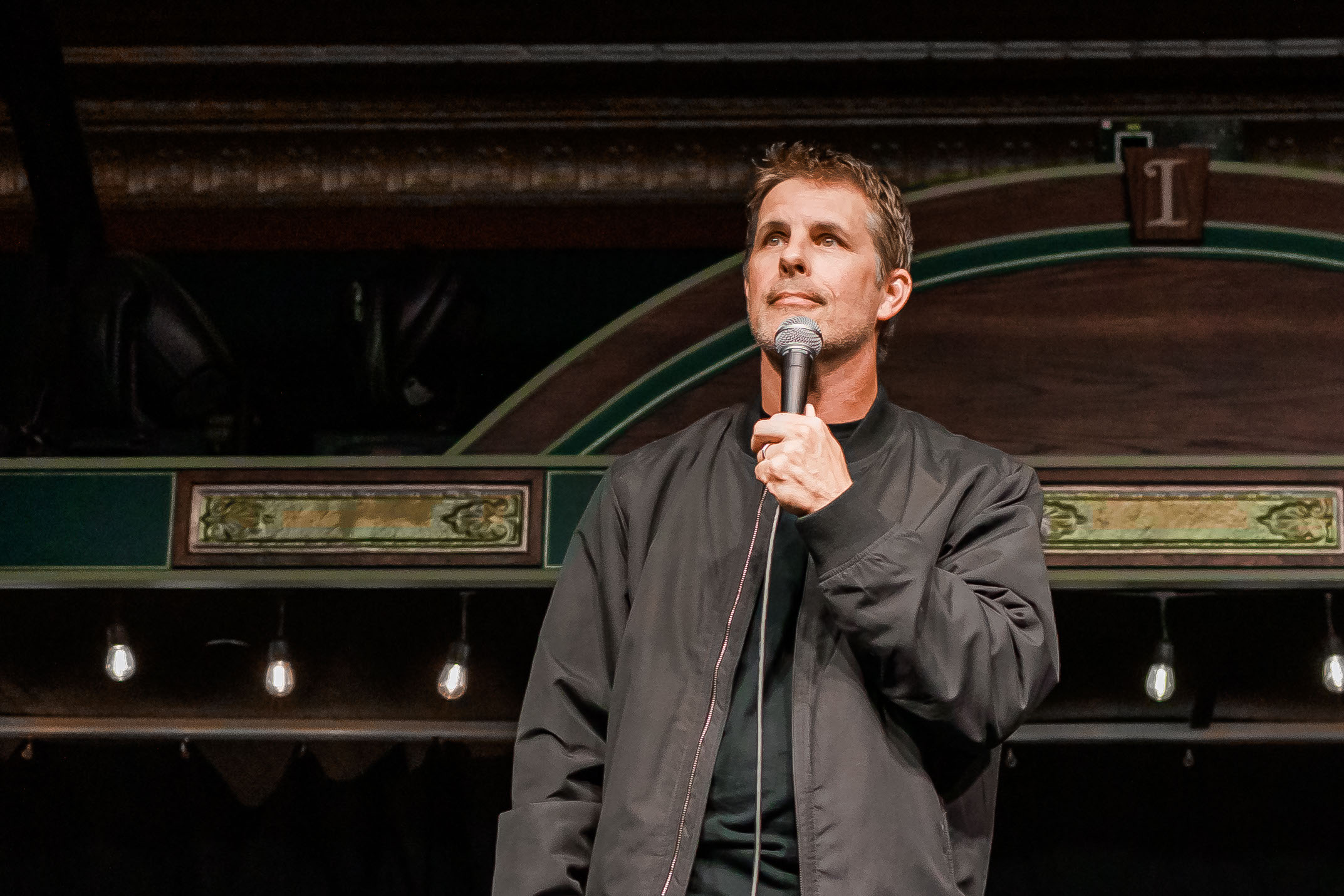
This blog is one in a series designed to help you when booking a comedian—hopefully me—for whatever event (corporate gathering, public show, bris) you may be having.
I’m nathan, and I’ve been performing stand-up comedy for more years than I can count.
Mostly because I’m bad at math.
I’ve witnessed a lot, learned even more, and I’m here to share my thoughts and experiences with you, dear reader in search of a comedian.
(Hopefully me.)
Booking a Comedian Might Seem Simple, but It’s Not
There’s more to it than just picking a funny person, setting a date, and voila!
Um, no.
If you’ve ever sat through an awkward show where jokes fell flat, or felt the sting of a surprise bill after the event, you know it’s not that easy.
Booking the right comedian is a blend of art and science.
It requires understanding your audience, budget, event vibe, and the many nuances of the comedy world. Done right, it can elevate your event from “meh” to unforgettable. Done wrong, and it could be a night everyone wishes they forgot.
In this exhaustive blog, we’ll explore everything you need to know about booking a comedian.
If you’d rather cut to the chase and ask me something directly, hop on over to my Contact page.
(I won’t be hurt if you don’t want to read this whole slog. Promise.)
Booking a Comedian, and Hosting a Comedy Event Involves…
…understanding costs, choosing the perfect fit, vetting talent, managing logistics, and avoiding common pitfalls.
Whether you’re a first-timer or seasoned planner, this roadmap will help you secure laughs and keep your event running smoothly.
Booking a comedian successfully involves far more than just hiring a funny person. The real magic happens behind the scenes—in contracts, tech, travel, and day-of coordination. Getting these logistics right not only ensures a smooth show but also builds your reputation as a reliable event planner. This expanded guide dives deeply into the first three essential logistical pillars to master: contracts, riders and technical setups, and travel arrangements.
Navigating Contracts and Legal Essentials
Contracts are the legal backbone of any booking, protecting both you and the comedian while clearly setting expectations.
Understanding the Importance of Contracts
A well-drafted contract minimizes misunderstandings by clearly documenting every key detail from payment terms to performance content. Without a contract, you risk no-shows, payment disputes, or unmet rider demands that can derail your event.
Contracts also serve as a communication tool, ensuring both parties agree on the scope of work, financial commitments, and responsibilities. This is especially critical when booking high-profile or celebrity talent where stakes and costs are high.
Key Contract Components
Fee and Payment Schedule: Specify the total fee, deposit amount, final payment deadline, and acceptable payment methods. For example, a 50% deposit upfront with the remainder paid on event day is common. Including payment penalties for late payment protects your financial interests.
Performance Length and Content: Define exact set durations, number of appearances, and content boundaries. For corporate events, clearly state if clean comedy is required or if sensitive topics should be avoided.
Travel and Accommodation Responsibilities: Outline who books and pays for flights, hotels, and transportation. Some contracts specify that hosts cover travel, others expect comics to book their own.
Cancellation and Refund Terms: Establish clear cancellation windows, refund eligibility, and what happens in case of emergencies or force majeure. For instance, cancellations 60 days prior may receive a full refund, while last-minute cancellations might forfeit deposits.
Rider Acceptance: Attach the rider as an integral contract component. This makes technical and hospitality requirements legally binding, preventing misunderstandings.
Liability and Insurance: Define responsibility for injuries, damages, or losses related to the performance. Many venues require performers to carry liability insurance—your contract should clarify these details.
Common Contract Pitfalls and How to Avoid Them
- Vague Language: Ambiguous terms around performance length or cancellation can cause disputes. Always use specific, measurable language.
- Missing Rider Details: Riders not included or vaguely referenced in contracts often lead to unmet expectations.
- Ignoring Local Laws: Contracts should comply with jurisdictional regulations, especially regarding taxes or labor laws.
- No Dispute Resolution Clause: Including mediation or arbitration clauses helps resolve conflicts efficiently without costly lawsuits.
Best Practices for Contract Negotiation
- Engage Legal Counsel: For significant or high-profile events, consult a lawyer to review contracts.
- Clarify Custom Requests: If you require content tailoring or additional appearances, include these in writing.
- Confirm All Changes in Writing: Verbal agreements should be followed up with signed amendments.
- Keep Organized Records: Maintain folders of contracts, rider addendums, and correspondence for easy reference.
Do I really know what I’m talking about? Pop on over to my Corporate Page and check out the testimonials.
Managing Riders and Technical Setups
A rider can make or break your event’s success. It’s the comic’s wishlist of must-haves and nice-to-haves that ensure they can perform at their best.
What Exactly Is a Rider?
Riders range from simple (a mic and bottled water) to complex (specific audio gear, lighting cues, hospitality rooms). They detail everything a comedian requires—from sound equipment and tech support to dressing room needs and security.
Why Riders Matter
Failing to fulfill riders can lead to poor sound, unhappy performers, or last-minute cancellations. They also reflect professionalism; a well-communicated rider helps avoid misunderstandings between talent, venue, and event staff.
Typical Rider Elements
Technical Requirements: Wireless microphones, sound engineers, monitors, lighting setup, stage dimensions, and power outlets. These specifications ensure optimal sound quality and visibility.
Hospitality Needs: Water bottles, snacks, towels, comfortable green rooms, temperature control, and privacy.
Transportation and Lodging: Airport pickups, hotel preferences (brand, room type), and local transport.
Security Measures: Backstage access control, security personnel for high-profile comedians.
Coordinating Rider Logistics
Early communication with your venue and technical teams ensures rider feasibility. Conduct site visits to confirm equipment availability and stage dimensions. If your venue lacks certain tech, budget for rentals.
Negotiating Rider Requests
Some riders include “nice-to-haves” like specific snack brands or room decor. Discuss which requests are essential and which can be adjusted to fit your budget or venue constraints.
Documenting Rider Agreements
Include rider details as part of your signed contract or an addendum to hold all parties accountable. This minimizes the risk of last-minute disputes.
Common Rider-Related Issues and Solutions
- Mic Issues: Always test mics and backups before the show.
- Lighting Problems: Work with your tech crew to create appropriate stage lighting that doesn’t blind or underlight performers.
- Green Room Challenges: Provide a quiet, private space for comics to prepare and decompress.
- Security Oversights: Plan for crowd control, especially for celebrities, to avoid safety hazards.
Real-World Example: Rider Success Story
A fundraiser accommodated a comedian’s rider requesting a wireless mic, backstage water, and a private dressing room. The tech team conducted a soundcheck hours before the event, and the green room was equipped with snacks and quiet space. The result was a seamless, well-received show.
Was that a real, “real-world” example?
Of course not.
It’s filler, designed to hit certain keywords.
I’d honestly be shocked if you were still reading, to be honest.
Coordinating Travel and Accommodation Logistics
Travel logistics can be a maze of bookings, schedules, and unforeseen complications, especially with high-profile comics.
Clarifying Travel Responsibilities
Contracts should specify who books and pays for flights, hotels, and transportation. Miscommunication can cause delays or additional costs.
Scheduling Arrival and Soundcheck
Plan arrival times with buffers for delays and jet lag. Schedule soundchecks well before the event to allow technical adjustments and comic prep.
Selecting Accommodation
Consider hotel quality, location, and amenities per rider requests. Proximity to the venue reduces transit stress and keeps performers fresh.
Managing Local Transportation
Arrange reliable pickups and drop-offs, accounting for traffic and timing. Use professional car services if requested for comfort and security.
Preparing for Delays and Contingencies
Weather, strikes, or travel disruptions happen. Build flexibility into schedules and budgets to accommodate last-minute changes.
Communication Is Key
Share detailed itineraries with comics, venue staff, and transportation providers. Confirm all bookings at least one week before the event.
Real-World Example: Travel Coordination Success
A corporate gala booked a comedian flying in from out of state. The event planner arranged airport pickup, luxury hotel accommodations per the rider, and scheduled soundcheck three hours before the show. This proactive coordination ensured the comic arrived rested and ready, contributing to a flawless performance.
Again, is that real?
Of course not.
There are absolutely zero specifics given.
It’s all nonsense.
Handling Cancellations, Backups, and Contingency Plans
Understanding Cancellation Policies
Comedians typically specify cancellation notice periods in contracts, often ranging from 30 to 90 days, dictating refund eligibility. A strict cancellation window protects both parties but can pose challenges if emergencies arise.
Deposits are often non-refundable as a commitment signal. Be sure to clarify refund policies upfront to avoid costly surprises.
Preparing Backup Plans
For high-stakes or large events, having a backup comedian or alternative entertainment option is essential. Agencies often provide standby talent, but for direct bookings, you may need to cultivate local contacts or secondary performers.
Contingency plans also include event insurance policies covering cancellations, delays, or no-shows.
Communicating Changes Promptly
Establish a clear chain of communication for last-minute updates to avoid confusion. Designate a point person for liaising with performers and stakeholders.
Real-World Example: Backup Saves the Day
A festival’s headliner canceled due to illness two days before showtime. Thanks to their agency’s standby performer, the event continued without disruption, earning audience praise for smooth handling.
Tips for Working with Agencies and Direct Booking
The Agency Advantage
Agencies simplify booking by vetting talent, managing contracts, and handling rider negotiations. Their expertise reduces risks, especially for high-profile or corporate gigs. However, agencies charge service fees, increasing costs.
The Direct Booking Route
Direct booking often lowers costs and fosters direct communication with the comic, allowing customization and flexibility.
What do I recommend?
I recommend contacting me directly.
Choosing Your Booking Method
Your choice depends on event size, risk tolerance, and personal experience. Large, complex events benefit from agency involvement; smaller or local gigs might suit direct booking.
Hybrid Strategies
Some planners use direct booking for smaller events and agencies for major ones, blending cost savings with security.
Pro Tip: Build Relationships
Long-term relationships with comics or agencies can yield better deals and smoother bookings.
Best Practices for Virtual and Hybrid Comedy Events
Let’s be completely honest: virtual comedy shows blow.
I did a handful of them during COVID, and they’re just awful.
I can’t believe there are still a few companies out there still attempting them.
No one likes Zoom meetings, muchless Zoom stand-up comedy.
That said, I’m nothing if not a man without morals.
If someone offers me money to sit in my basement and tell jokes into my phone, I’ll take it.
But I’ll be honest, the distracted eyeballs halfheartedly watching me while they browse adult content in another window *cough Jeffrey Toobin cough* aren’t going to have even half the fun they would if at an actual, live event.
Technical Setup Essentials
Successful virtual shows depend on quality audio/video gear and reliable streaming platforms. Invest in professional microphones, cameras, and internet connections.
Platform Selection
Choose platforms that support interaction—chat, polls, or Q&A—to maintain audience engagement.
Engagement Strategies
Encourage virtual attendees to participate via chat or reaction features. Shorten sets to match online attention spans.
Rehearsals and Tech Tests
Conduct full run-throughs with comedians and hosts to troubleshoot glitches ahead of time.
Backup Plans for Virtual Shows
Have alternate internet connections or backup streams ready. Technical failures can happen unexpectedly.
Example: Hybrid Success Story
A company’s holiday party featured a live stage comic and remote employees joining virtually. A dedicated tech team ensured seamless transitions, maintaining energy across both audiences.
On-Site Event Day Coordination and Troubleshooting
Designating a Point Person
Assign a coordinator to manage communications between the comic, tech crew, and venue staff.
Just not Karen, from HR.
Soundcheck and Setup Timing
Schedule ample time for equipment testing and comic preparation.
Green Room and Hospitality
Ensure performers have a comfortable, private space for pre-show relaxation.
Handling Unexpected Issues
Prepare protocols for mic failures, schedule changes, or audience disturbances.
Clear Communication Channels
Use walkie-talkies or phones to keep staff connected during the event.
Calm Leadership
A composed, organized team keeps the atmosphere positive and the event on track.
Example: Event Day Coordination Wins
At a large gala, the event manager’s clear communication with all teams allowed rapid response to a sound issue, fixing it before the comic’s set and keeping the audience engaged.
Why wasn’t that one labeled “Real World Example?”
Meh, decided to change it up is all.
Anyway, the best thing you can do when
Booking a comedian
is to get out and see some live comedy.
Go to a locally owned, club, too, not a chain.
If you’re anywhere near Cuyahoga Falls, Ohio, I recommend The Funny Stop.
The previous blog in this series was: Should I Tip?
The next blog is: Best Platforms